
















Understanding The Lord’s Prayer
Prayer is the key to the Christian life, and nothing is more important to the Christian life than prayer. There is nothing that lies outside the reach of prayer except that which lies outside the will of God. Our greatest need is to learn how to pray.
The time will come when more than anything else on this earth, you will want God to hear your prayer. Proper prayer can prohibit failure, meet every need, cleanse confessed sin, and aid in overcoming temptation. Prayer can do anything that God can do, and God can do anything.
The Model Prayer, given by Jesus in Matthew Chapter Six, is not simply meant to be rattled off or repeated using “vain repetitions”. Jesus did not say, “Pray this prayer,” but rather, “Pray in this manner,” or “Pray in this way”. The Model Prayer is intended to be a guide and a lesson in prayer.
The Right Posture: Sincerity Over Performance
Jesus instructed believers on how not to pray, emphasizing that prayer should be an act of sincerity, not performance.
- Avoid Hypocrisy: Do not be like the hypocrites who love to pray standing in the synagogues and in the corners of the streets, seeking to be seen by men.
- Seek Secrecy: When you pray, enter into your closet, shut your door, and pray to your Father who is in secret. The Father who sees in secret shall reward you openly.
- Reject Vain Repetitions: Do not use “vain repetitions, as the heathen do,” who think they will be heard for their much speaking. Your Father already knows what things you need before you ask Him.
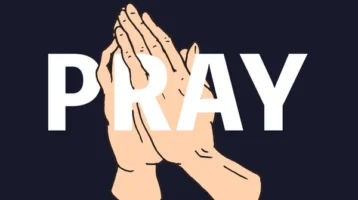
Prayer is defined as talking with God, not rattling off phrases, even if they come from the Bible.
The Power of Relationship: Why We Say “Our Father”
The Model Prayer begins with the declaration, “Our Father which art in heaven. Hallowed be Thy name”. The title, “Father,” expresses three profound spiritual truths: His Nature, His Nurture, and the Exaltation of His Name.
1. We Express His Nature: God Is Intrinsically a Father
When we address God as “Father,” we are expressing His intrinsic nature. Jesus called Him Father 167 times in the Gospels alone.
- Divine, Not Human, Fatherhood: Divine Fatherhood is not a reflection of human fatherhood; rather, human fatherhood is a reflection of Divine Fatherhood. We should not get our idea of God from human fathers, who may have been cruel, harsh, or weak-willed. Instead, the standard for human fatherhood is set by what God is like.
- God Is a Father: The Bible does not merely mean that God is like a Father; it means He is a Father.
- God is in the Heavens: The Greek word for “in heaven” is plural, “in the heavens”. The Bible speaks of three heavens: the atmospheric heaven (where the fowls of the heavens are), the stellar heavens (where the stars are, declaring the glory of God), and the Third Heaven (where God dwells). Our Father is in all of them. This means He is close enough to hear a whisper (“closer than the air we breathe”) and yet far enough away that He fills the universe and nothing escapes His notice.
2. We Expect His Nurture: God’s Care and Correction
Because we are His children, we expect His nurture, meaning God is going to take care of us like a Father takes care of His children.
- The Responsibility of Care: God is honor-bound and has a responsibility to take care of His children. God will not feed His chickens (the fowls of the air) and neglect His children, because we are much better than they.
- The Mark of Sonship: Not all people are children of God; God is the Creator of all things (including rats and rattlesnakes), but He is the Father only of those born into His family. You become a child of God by faith in Jesus Christ.
- The Discipline of Correction: A Father also provides correction. God is not a “doting father”. The Father’s correction (chastisement or chastening) is actually proof of sonship. God chastens every son whom He receives because He loves them. If a person lives in open rebellion and is never chastised by God, it is evidence they have never been saved. God deals with His children on a cash basis, meaning correction is immediate, rather than dealing with the unsaved on a credit basis, who are treasuring up wrath for the Judgment Day.
- The Depth of Compassion: When we say “Father,” we recognize that He compassionately wants to meet our needs. Just as a father pities his children, the Lord pities them that fear Him. God is not rejecting us when He corrects us; He is rejecting the sin in our life, like a father hosing the dirt off his child.
3. We Exalt His Name: Relying on Jesus Christ
The phrase “Hallowed be Thy name” means to speak with reverence and to rely on His name.
- Jesus is the Name Above All Names: When Jesus said, “Hallowed be Thy name,” He was interjecting Himself into the prayer. The greatest name of the ages is Jesus, the name which is above every name.
- Praying in the Name of Jesus: We come through the Lord Jesus Christ, and we are to ask in His name. Jesus promised: “Whatsoever ye shall ask in My name, I will do it, that the Father may be glorified in the Son”.
- The Right to Ask: To be able to pray “Father” and ask in Jesus’ name requires having received Christ as personal Savior. As many as received Him, to them He gave the power (authority or right) to become the children (sons) of God.
Prayer begins with this simple, yet powerful, relationship: just talking to God as a Father. When you pray, “Don’t wrestle; nestle”.